
IAEA report cannot justify discharging nuclear-contaminated water into ocean: spokesperson
This photo taken on March 6, 2023 shows the Fukushima Daiichi nuclear power plant seen from Futabacho, Futabagun, Fukushima Prefecture, Japan. (Xinhua/Zhang Xiaoyu)
 (資料圖)
(資料圖)
BEIJING, July 5 (Xinhua) -- The report on the disposal of nuclear-contaminated water at the Fukushima Daiichi Nuclear Power Station released by the International Atomic Energy Agency (IAEA) cannot justify or legitimize Japan"s discharge of nuclear-contaminated water into the ocean, nor should the report be the "shield" or "greenlight" for it, Foreign Ministry spokesperson Wang Wenbin said on Wednesday.
Wang made the remarks at a regular press briefing when asked to comment on IAEA"s report. He said that the Ministry of Foreign Affairs of China, China Atomic Energy Authority and the National Nuclear Safety Administration have made clear China"s strong position.
"China"s position is based on science and facts. I would like to stress again that the report should not be the "shield" or "greenlight" for Japan"s discharge of nuclear-contaminated water into the ocean," Wang said.
He said that firstly, the report cannot justify Japan"s plan of discharging nuclear-contaminated water into the ocean. The Japanese side unilaterally decided to dump the water into the ocean, which is in fact minimizing its own costs and risks while letting the world take nuclear contamination risks that could have been avoided. The report clearly pointed out that the IAEA provides neither a recommendation nor an endorsement of Japan"s ocean discharge plan.
"Second, the report cannot give legitimacy to Japan"s plan of discharging nuclear-contaminated water into the ocean," he said, adding that by discharging nuclear-contaminated water into the Pacific Ocean, the Japanese side may violate obligations stipulated in international law, including the United Nations Convention on the Law of the Sea (UNCLOS) and the Convention on the Prevention of Marine Pollution by Dumping of Wastes and Other Matter in 1972.
"Since Japan claims that it abides by international law and rules, it owes the international community an explanation," Wang added.
Third, the report cannot ensure the safety of Japan"s plan of discharging nuclear-contaminated water into the ocean. The effectiveness and long-term reliability of Japan"s purification facility are not verified by a third party, the authenticity and accuracy of the nuclear-contaminated water data lacks proof, and the long-term influence of radionuclides in the nuclear-contaminated water on food safety and people"s health through biological concentration has not been studied, Wang said.
Fourth, the report cannot ensure the effectiveness of the monitoring arrangement. Wang said that Tokyo Electric Power Company (TEPCO), the nuclear power plant"s operator, has tampered with or held back nuclear-contaminated water data for many times. In IAEA"s plan, the monitoring arrangement does not include independent sampling and takes TEPCO"s data and information as the basis of monitoring. "Such practice is inadvisable," he said.
"Facts have shown that the report did not resolve the strong opposition against ocean discharge both in Japan and the rest of the world," Wang said.
He quoted results from relevant surveys, saying that according to the latest survey in Japan, 40 percent of Japanese oppose ocean discharge, and according to a joint survey by South Korean Hankook Ilbo and Japan"s Yomiuri Shimbun newspapers, over 80 percent of ROK people disapprove of Japan"s discharge of nuclear-contaminated water into the ocean.
Experts and people in the Pacific Island countries, the Philippines, Indonesia, South Africa, Peru and other countries protested and voiced their opposition. The Chinese people have strong concerns over Japan"s discharge plan. Competent departments of the Chinese government will enhance marine environment monitoring and strengthen inspection and quarantine of imported seafood and other products to safeguard people"s health and food safety, said Wang.
According to reports, the Japanese government plans to start the ocean discharge process as early as this August.
Japan"s planned ocean discharge of the nuclear-contaminated water bears on major international public interest. "The stakes are too high. We cannot afford to ignore risks that might lead to a mishap," Wang said.
"We urge Japan to respect science and facts, not attempt to use the IAEA report to shield its ocean discharge, faithfully fulfill its moral responsibility and obligations under international law, stop pushing forward the ocean discharge plan, and dispose of the nuclear-contaminated water in a responsible manner," the spokesperson said.
標簽:
電腦
-
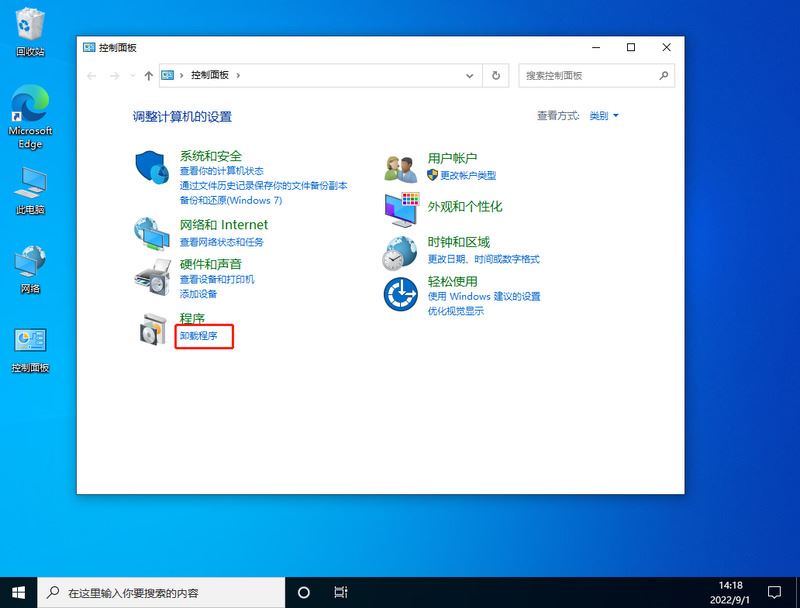 電腦任務(wù)欄點擊無反應(yīng)怎么辦?電腦任務(wù)欄一直轉(zhuǎn)圈圈怎么辦?
電腦任務(wù)欄點擊無反應(yīng)怎么辦方法一、卸載補丁1、出現(xiàn)這個原因可能是某個windows10系統(tǒng)補丁更新,導(dǎo)致的...
-
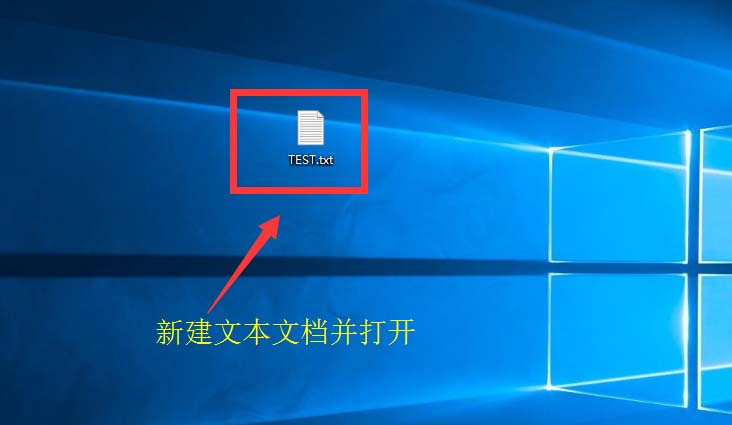 電腦打字亂碼怎么辦?串口顯示亂碼的原因有哪些?
電腦打字亂碼怎么辦?1、在桌面上新建一個名為TEST的文本文檔并打開。2、我們在文本文檔中輸入你好兩個字...
-
 臺式機或筆記本攝像頭不顯示怎么辦?電腦彈窗提"無法定位序數(shù)"怎么辦?
臺式機或筆記本攝像頭不顯示怎么辦攝像頭黑屏問題解決方法:1、檢查攝像頭是否損壞,如果您的攝像頭是內(nèi)...
-

-
 電腦網(wǎng)絡(luò)適配器有感嘆號怎么辦?讀卡器插電腦讀取失敗怎么辦?
電腦網(wǎng)絡(luò)適配器有感嘆號怎么辦?解決方法:方法1、右鍵點擊驅(qū)動程序,然后選擇卸載,卸載之后再重新啟動...
硬件
- MBR和GPT的區(qū)別有哪些?MBR和GPT怎么選擇?
- SSD能用多久在哪看?硬盤中緩存有什么用?
- m.2和SATA區(qū)別大嗎 ?買M.2 NVME要注意什么?
- 固態(tài)硬盤應(yīng)該怎么選擇?m.2固態(tài)硬盤和ssd固態(tài)硬盤哪款好?
- u盤文件found怎么恢復(fù)? 什么叫U盤量產(chǎn)?
- u盤能在手機上用嗎?手機如何直接連接u盤?
- u盤建議買多大內(nèi)存?什么u盤質(zhì)量最好最耐用?
- u盤發(fā)燙怎么辦?u盤發(fā)燙不識別怎么辦?
- U盤分配單元大小怎么設(shè)置?電腦不顯示u盤盤符怎么辦?
- 如何將大于4g的文件拷貝到u盤?U盤顯示0字節(jié)怎么辦?
- 固態(tài)u盤和普通u盤有什么區(qū)別 ?怎么解除U盤保護?
- 電腦怎么連接打印機?電腦怎么連接電視?
- 電腦怎么連上藍牙音響?藍牙耳機連接電腦后沒有聲音該怎么辦?
- 怎么看電腦有沒有聲卡?結(jié)束不了系統(tǒng)進程怎么辦?
- IAEA report cannot justify discharging nuclear-contaminated water into ocean: spokesperson
- 打造科創(chuàng)產(chǎn)業(yè)集群 盈科資本與泰安市共建50億產(chǎn)業(yè)母基金
- tbc肩膀fm(ZG那個FM肩膀的物品在哪里換)
- 豪聲電子北交所發(fā)行結(jié)果:網(wǎng)上凍結(jié)資金約59億元 中簽率3.49%
- 6月CPI同比增速或低位震蕩,PPI同比降幅或繼續(xù)走闊
- 龍虎榜丨德邁仕今日漲11.55%,機構(gòu)合計凈賣出404.96萬元
- 青島市創(chuàng)建傳染病綜合防控模式
- 白云山:養(yǎng)陰舒肝顆粒藥物臨床試驗獲批準
- 世界微速訊:產(chǎn)業(yè)互聯(lián)網(wǎng)創(chuàng)新發(fā)展論壇在京舉辦 助推數(shù)字生態(tài)培育
- 北京加強中小學(xué)校本課程管理,課程修訂周期不超過三年
- 博德之門3更改了發(fā)布日期
- 菲海岸警衛(wèi)隊稱其巡邏艦在南海遭中國海警船“危險阻撓”,外交部回應(yīng)
- 市場監(jiān)管總局:5年來全國查處不正當(dāng)競爭案件5萬件 罰沒超25億元
- 招商銀行“票據(jù)大管家”在票據(jù)流轉(zhuǎn)中看見價值
- 焦點熱門:美國防部稱未來將派戰(zhàn)略核潛艇訪韓國,外交部:表示關(guān)切!
- 綠城中國(03900)上半年總合同銷售金額約1342億元 同比增加18.97%-世界觀點
- 蒙牛集團愛養(yǎng)牛文化煥新暨奶產(chǎn)業(yè)鏈大廈啟動發(fā)布會舉行 微頭條
- 福建省優(yōu)秀教師和優(yōu)秀教育工作者,福鼎推薦他們。 資訊
- 76人記者:班巴和球隊簽下的是一份底薪合同
- 金帝在聞堰、銀湖的兩座綜合體,準備怎么搞?
- 飛書文檔如何轉(zhuǎn)成word 飛書將文檔轉(zhuǎn)換為其他格式方法-天天快報
- 火災(zāi)中的暖心一幕:媽媽毅然將嬰兒從四樓扔下,被眾人撐網(wǎng)救下
- 每日視點!IAEA:扎波羅熱核電站暫未發(fā)現(xiàn)爆炸物跡象 需擴大檢查范圍
- 長沙到上海臥鋪火車票多少錢 動態(tài)
- 7月6日 14:44分 蘇常柴A(000570)尾盤放量拉升
- 江西省永修縣發(fā)布高溫黃色預(yù)警
- 7日16時31分小暑:荷風(fēng)送香氣,竹露滴清響
- 安圖農(nóng)商銀行舉辦“商稅銀企”對接會
- 飛龍股份(002536.SZ):新能源熱管理產(chǎn)品可以應(yīng)用在無人機領(lǐng)域,目已有多種產(chǎn)品少量供貨
- 今熱點:南礦集團:7月3日接受機構(gòu)調(diào)研,東騰創(chuàng)新投資參與
- 當(dāng)前熱議!上海中心氣象臺2023年07月06日13時34分發(fā)布高溫黃色預(yù)警信號
- 寒冬夜跳江救人!上海保安員顧宗海獲評全國見義勇為勇士_今日聚焦
- 世界快資訊丨《碟中諜7》媒體評分解禁:M站82分 爛番茄98%
- 6月全球制造業(yè)PMI降至47.8% 全球經(jīng)濟下行壓力加大
- 焦點簡訊:廣西省造老銀元價格(2023年07月06日)
- 弘揚農(nóng)耕文化 傳承鄉(xiāng)村技藝
- 世界觀察:東莞暑假放假時間2023年(小學(xué)/初中/高中)
- 海口市美蘭區(qū)舉辦首屆三江公仔戲擂臺展演頒獎儀式 焦點觀察
- 世體:巴薩舊將桑佩爾接近離開神戶勝利船,下一站可能是墨西哥 全球?qū)崟r
- 世界播報:湖北仙桃可提供東菱電餅鐺維修服務(wù)地址在哪
- 人造蛛絲完勝天然蛛絲_天天關(guān)注
- 中國代表在人權(quán)理事會闡明嚴正立場
- 上半年召回規(guī)模創(chuàng)8年來新低 新能源車成主流-每日快訊
- 世界觀察:新一代數(shù)字地球技術(shù)平臺星圖地球智腦引擎發(fā)布
- 培育形成10家“兩業(yè)融合”示范園區(qū) 全球信息
- 近六成受訪者稱朋友圈“無效社交”多 你怎么看
- 上年末個人賬戶儲存額怎么查 有這些方法
- 《街霸6》發(fā)布角色“拉希德”宣傳視頻 將于7月24日正式上線
- 惠民縣:供水提質(zhì)潤民心 群眾樂享放心水
- 蘭亭集勢美股漲9.17%_實時焦點
- 焦點快播:天國拯救開鎖怎么練
- 確保年底前具備封關(guān)運作硬件條件 海南島內(nèi)三大機場這樣發(fā)力_觀察
- 全球今熱點:工信部指導(dǎo)組赴浙督查指導(dǎo)亞運會無線電安全保障籌備工作
- 法國2022年新生兒爆款姓名公布 “嘉德”和“加布里埃爾”最受歡迎 環(huán)球熱頭條
- 世界熱訊:95120全國疾控電話流調(diào)專用號碼啟用
- 每日熱門:廈門2023年度住房公積金繳存基數(shù)和繳存比例調(diào)整
- 世界熱門:全力防汛救災(zāi),將各類損失降到最低
- 江龍船艇7月6日快速上漲_當(dāng)前獨家
- 內(nèi)蒙古建筑產(chǎn)業(yè)互聯(lián)網(wǎng)平臺正式上線 全球熱推薦
- 全球觀察:智迪科技新股發(fā)行結(jié)果出爐,網(wǎng)上投資者棄購1306.59萬元
- 每日觀點:全方位無死角??我省專項整治有限空間作業(yè)安全
- 環(huán)球最新:廣東第二批省級旅游休閑街區(qū) 南頭古城入選
- 世界要聞:三消息:巴將加盟76人輔佐恩比德,籃網(wǎng)有意引進希羅,勇士簽約約瑟夫
- 全球短訊!光庫科技(300620.SZ):主要產(chǎn)品為光纖激光器件和光通訊器件,應(yīng)用于超高速干線光通信網(wǎng)、超高速數(shù)據(jù)中心、人工智能、超算中心、海底光通信網(wǎng)、城域核心網(wǎng)、微波光子、測試及科研等領(lǐng)域
- 澤璟制藥(688266)7月5日主力資金凈買入986.57萬元 天天訊息
- 環(huán)球簡訊:河北梆子演員郝士超入選!2023年全國戲曲表演領(lǐng)軍人才培養(yǎng)計劃入選人員名單公布
- 聚焦:青海:精細化氣象服務(wù)助力“復(fù)興號”平穩(wěn)運行
- 世界今亮點!美國首都華盛頓發(fā)生槍擊事件致9人受傷
- 世界最資訊丨螺有多少種類(螺的種類簡介介紹)
- 時任董事非經(jīng)營性占用公司資金、未履行審議程序并及時信披 新寧物流及時任董事長等收河南證監(jiān)局警示函 當(dāng)前看點
- 全球新動態(tài):德國北部遭極端風(fēng)暴襲擊 已致一人遇難
- 狀元VS榜眼!官方:拉斯維加斯夏聯(lián)首日門票已經(jīng)售罄|焦點精選
- 希臘就業(yè)率逐年提升 世界觀點
- 華大九天(301269):7月5日北向資金減持14.58萬股 快看
- 環(huán)球播報:外媒:馬克龍?zhí)岢觯杩紤]當(dāng)情況失控時監(jiān)管或切斷社交媒體的選項
- 展出精品力作上百幅!“室有清風(fēng)——張劍師生中國畫展”在蓉舉行
- 變頻電機與普通電機的結(jié)構(gòu)區(qū)別 變頻電機與普通電機的區(qū)別繞線方式
- 隴西縣供電公司:交叉學(xué)習(xí)補短板 結(jié)對共建促提升|天天滾動
- 每日看點!《2022年全國旅游服務(wù)質(zhì)量提升報告》發(fā)布
- 天天熱頭條丨腦科學(xué)板塊7月5日跌1.7%,中科信息領(lǐng)跌,主力資金凈流出11.66億元
- 日本有子家庭跌破1000萬
- 動態(tài):重慶發(fā)布最新地災(zāi)預(yù)警 萬州區(qū)維持紅色警報
- 慶陽與多家企業(yè)攜手發(fā)展食用菌產(chǎn)業(yè)_環(huán)球頭條
- 友人稱李玟生前非常想要一個小孩,港媒曾爆料其丈夫多次出軌-當(dāng)前速看
- 香港歌手李玟去世,華納音樂北京發(fā)文悼念
- 2021年最受歡迎的3歲兒童生日禮物大揭秘 世界熱資訊
- 越秀地產(chǎn)上半年銷售約836億元,完成年度目標超六成
- 全球要聞:元道通信: 國新證券股份有限公司關(guān)于元道通信股份有限公司部分首次公開發(fā)行前已發(fā)行股份上市流通的核查意見
- 高職院校全國前十浙江獨占4席,程振偉:把職業(yè)教育“金名片”擦更亮-熱點聚焦
- 理想回應(yīng)汽車沖進餐廳撞飛2人:當(dāng)?shù)鼐秸谡{(diào)查-世界熱資訊
- iPhone 的無線充電,特斯拉要用到車上了
- 安徽淮北:大學(xué)生暑期支教再出發(fā)|全球觀點
- 睡不著應(yīng)該掛什么科(睡眠不好掛什么科)
- 世界通訊!東莞第一片正在變成金黃色的稻田!美得像新海誠的動畫
- 每日資訊:綜評各院校考試方式2023 2023年山東綜評招生有哪些學(xué)校
- 【世界速看料】暗黑破壞神4冰霜吞噬流分享
- 世界訊息:時隔7年熱帶太平洋再現(xiàn)厄爾尼諾:7月或成12萬年來最熱月,“全球最冷村莊”熱到32℃
- 集中清查 南京警方開展夏季治安專項行動-全球即時
- 今日報丨特斯拉在日本下調(diào)Model 3/Y售價,降幅約3%/4%
- 去年全臺大停電,臺電人員遭彈劾,網(wǎng)友怒轟:換掉民進黨比較快

電競
-
蘋果12pro什么情況下需要換電池?蘋果手機換原裝電池多少錢?

蘋果12pro什么情況下需要換電池?蘋果手機換原裝電池多少錢?
2023-07-05 -
蘋果13系列手機換電池多少錢?蘋果13換電池需要注意什么?

蘋果13系列手機換電池多少錢?蘋果13換電池需要注意什么?
2023-07-05 -
如何關(guān)閉手機后臺運行程序?如何徹底釋放手機內(nèi)存?

如何關(guān)閉手機后臺運行程序?如何徹底釋放手機內(nèi)存?
2023-07-05 -
蘋果手機怎么查找對方手機位置?隔空投送怎么用?
蘋果手機怎么查找對方手機位置?隔空投送怎么用?
2023-06-28 -
微信實名認證怎么更改?微信更換實名認證沒有銀行卡怎么辦?

微信實名認證怎么更改?微信更換實名認證沒有銀行卡怎么辦?
2023-06-28 -
微信拉黑對方怎么找回來?微信被拉黑怎么找回來?

微信拉黑對方怎么找回來?微信被拉黑怎么找回來?
2023-06-28 -
蘋果怎么錄屏?蘋果手機屏幕突然變大怎么解決?

蘋果怎么錄屏?蘋果手機屏幕突然變大怎么解決?
2023-06-28 -
忘記手機解鎖圖案怎么辦?手機不能連接到無線wifi是什么原因?

忘記手機解鎖圖案怎么辦?手機不能連接到無線wifi是什么原因?
2023-06-28 -
手機病毒有哪些?手機病毒怎么處理?

手機病毒有哪些?手機病毒怎么處理?
2023-06-28 -
手機有哪些常見故障?手機常見故障如何解決?

手機有哪些常見故障?手機常見故障如何解決?
2023-06-15
數(shù)碼

內(nèi)容正在升級改造,請稍后再試!

2023年還是抖音短視頻帶貨的紅利嗎?

合肥園博園6個城市展園基本完工

了解宣紙文化 描繪水墨安徽 亳州學(xué)院學(xué)子前往宣城進行文化調(diào)研 全球快播

焦點訊息:windows xp professional 屬于什么系統(tǒng)(windows xp professional密鑰)
事件
- 旭輝集團上半年合同銷售金額419.4億元 權(quán)益銷售216.9億元07-06
- 國統(tǒng)股份(002205)7月6日主力資金凈買入75.34萬元07-06
- 重回主場迎戰(zhàn)滄州雄獅,海牛誓奪三分!新援有望亮相提升士氣 快報07-06
- 焦點滾動:好消息!市南區(qū)35所中小學(xué)室外體育場地對外開放07-06
- 孫悟空VS漫威英雄,誰更厲害?網(wǎng)友為此吵起來了! 今日觀點07-06
- 天天新動態(tài):民航局:加大懲戒力度,依法從嚴從快從重打擊“機鬧”07-06
- 次日達!青島汽車總站進京多式聯(lián)運業(yè)務(wù)開通_熱消息07-06
- 最新資訊:驚險!1歲寶寶掉進火車站臺,她果斷跳下站臺成功將孩子救上來07-06
- 最高人民檢察院依法對廣東省人大常委會原黨組副書記、副主任李春生決定逮捕|環(huán)球百事通07-06
- 貿(mào)發(fā)會議報告:2022年全球外國直接投資下降12%07-06
- 環(huán)球關(guān)注:兩天漲粉255萬!“傻小子”導(dǎo)游被質(zhì)疑炒作?回應(yīng)來了......07-06
- 077期小郡主雙色球預(yù)測獎號:藍球近10期冷熱分析07-06
- 全球時訊:標準頂崗實習(xí)周記可鑒賞07-06
- 陽春新創(chuàng)電器科技小家電建設(shè)項目環(huán)境影響報告表受理公告_天天觀熱點07-06
- 環(huán)球觀點:浴霸需要排風(fēng)管道嗎(浴霸必須要接排風(fēng)管嗎)07-06